TABLE OF CONTENTS
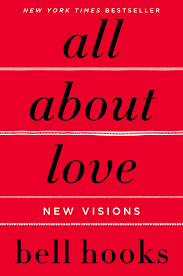
Love is not just a feeling—it is an action, a commitment, and a practice. In All About Love, bell hooks unpacks how we are taught to misunderstand love, and why reclaiming it in its truest form is necessary for our individual healing and collective transformation.
Introduction
In a world that rarely teaches us how to love, bell hooks offers a powerful redefinition of this elusive force. She argues that love is not simply an emotion we fall into but a series of choices and behaviors grounded in care, honesty, responsibility, and respect. Drawing from both personal experience and intellectual critique, hooks lays bare the societal failures that leave us yearning for connection yet unable to sustain it. The book invites readers to explore why love often feels out of reach and how learning to love with intention could transform not just relationships, but entire communities.
The Meaning of Love
In the opening chapters, hooks asks the simple yet revolutionary question: what is love? Drawing from thinkers like M. Scott Peck and Erich Fromm, she constructs a definition of love that includes nurturing spiritual and emotional growth, rather than clinging to fantasy or control. For hooks, love cannot exist without justice. This section challenges many deeply held assumptions, including the belief that love is automatic or unconditional. Instead, she argues that love is a practiced skill, one that must be consciously chosen and continually nurtured.
Love and Childhood Wounds
hooks devotes a significant portion of the book to discussing how childhood experiences—especially those marked by emotional neglect, absence, or violence—deeply affect our capacity to give and receive love. Many of us, she says, confuse abuse or control with affection because we were never shown consistent care. This section is deeply empathetic, illuminating how personal trauma intersects with cultural messages to shape our understanding of love. By addressing these early wounds, hooks offers a path toward healing and self-compassion.
Patriarchy and Love’s Destruction
One of the most potent themes in All About Love is the way patriarchal culture distorts love, especially for men. hooks critiques how boys are often taught to suppress vulnerability, equating emotional openness with weakness. As a result, they grow into men who struggle to express affection or receive love in healthy ways. Meanwhile, women are often taught to accept emotional labor as their role, sustaining relationships that drain them. By exposing these dynamics, hooks makes it clear that love cannot flourish in systems built on domination and control.
Love as a Practice of Healing
Rather than ending on critique, hooks shifts toward hope. She insists that love is possible—but only if we commit to it as a conscious, sustained practice. Love, she says, begins with the self. It requires emotional honesty, self-discipline, and a willingness to unlearn toxic patterns. In this section, she emphasizes the importance of community, spiritual growth, and even therapy in helping individuals move closer to loving fully. Love is not passive. It is an active, radical force with the power to liberate individuals and reshape society.
Conclusion
All About Love is not a simple guide to romance—it is a profound meditation on what it means to live a life rooted in care, honesty, and connection. bell hooks compels us to imagine love as a radical force capable of healing deep wounds and dismantling oppressive systems. Her writing is both challenging and compassionate, urging readers to confront the ways we have been taught to love poorly and to choose something better. This is a book for anyone who has ever felt the ache of disconnection and yearned for something deeper. Through clarity, warmth, and conviction, hooks offers not just critique, but a way forward.
WRITTEN BY

CONRIBUTORS


BOOKS DISCUSSED